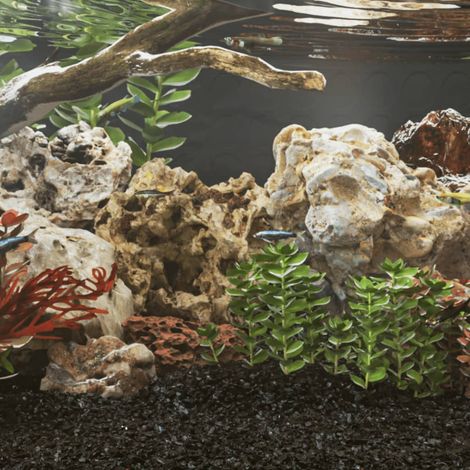
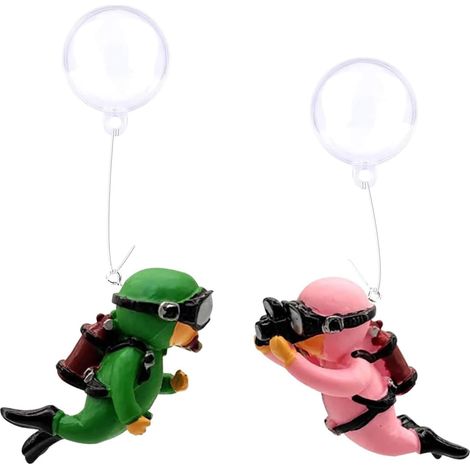
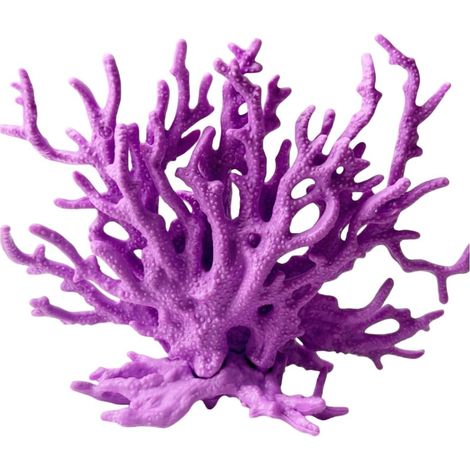
Various decorative accessories for aquariums are available to design the living environment of fish while optimizing their well-being and the aesthetic appearance. Sand and gravel, as well as roots and fancy decorations, are offered to allow everyone to personalize their setup.
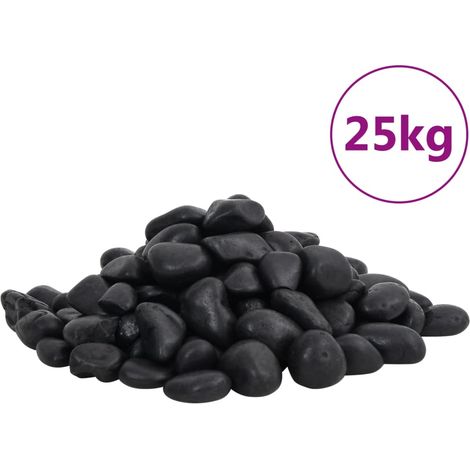
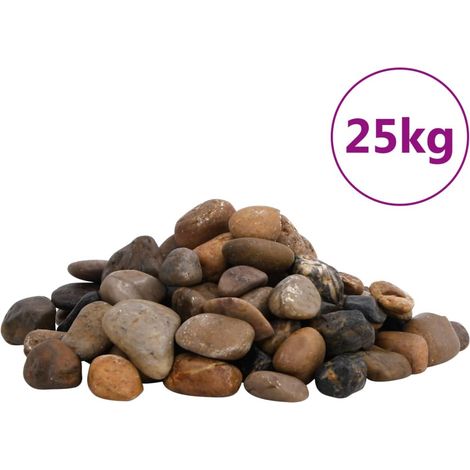
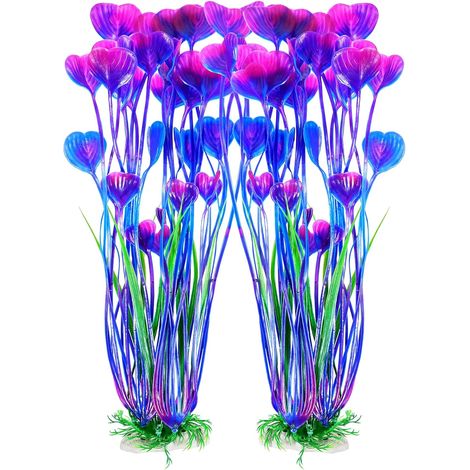
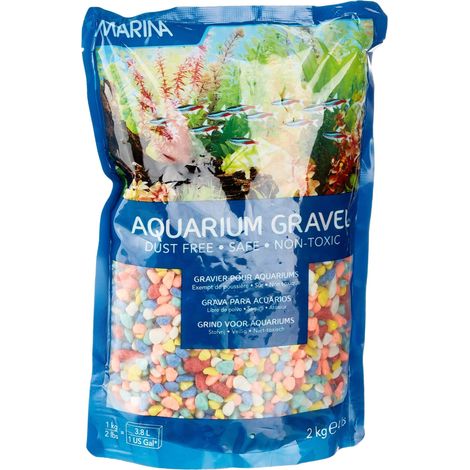
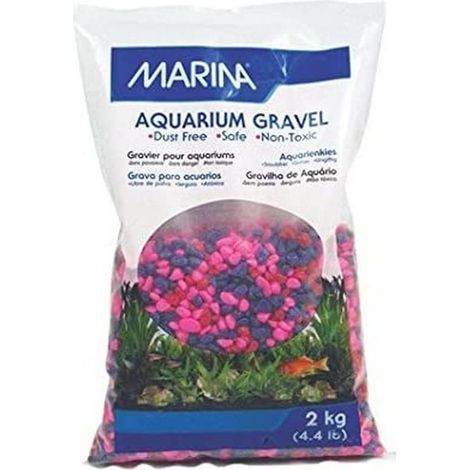
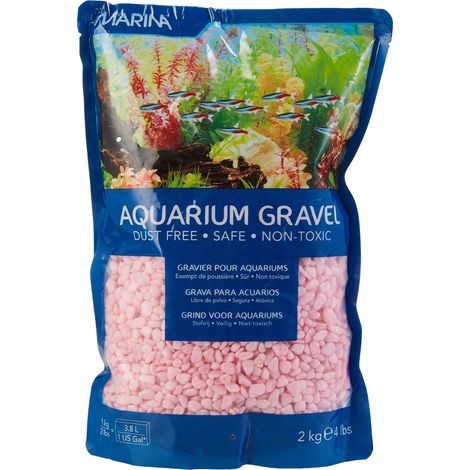
The first decorative element for aquariums is the substrate, especially since it is impossible to replace it after introducing other decorative items. Its composition depends on the type of terrain to be set up. For a substrate intended to accommodate artificial plants, three choices are possible:
- Loire sand which is offered in different grain sizes;
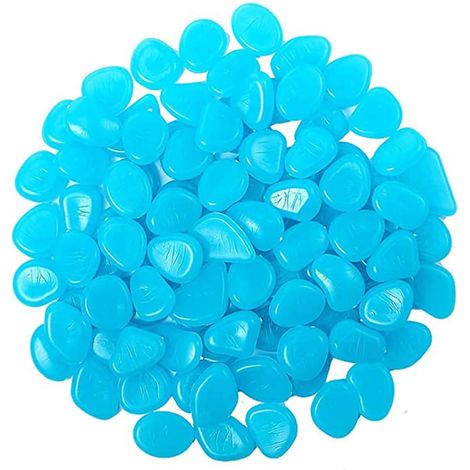
- Quartz crystals available in various colors;
- Special aquarium sand which differs from construction sand and beach sand.
Furthermore, the following tips are useful for setting up the substrate:
- the sediment thickness should be between 3 cm and 4 cm with a slight slope to easily bring debris to the front;
- the grain size of the gravel should be fine enough to prevent injuring bottom-dwelling fish.
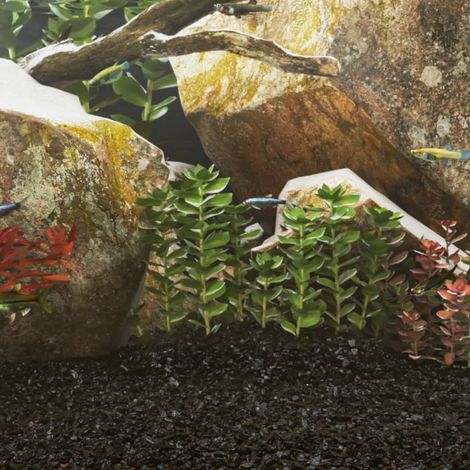
To set up an aquarium decor with live plants, the substrate should have two or three layers:
- a substrate layer placed at the bottom of the tank with a thickness of about 5 cm to nourish the plants;
- a gravel layer (2 mm to 5 mm in diameter) with a thickness of about 5 cm to 7 cm at the back and 2 cm to 4 cm at the front to create a slope and facilitate cleaning the bottom;
- it is possible to add a layer of rooting stones.
The calculation of the quantity (in liters) of gravel, sand, or substrate needed is performed in two steps:
1. calculate the volume to be filled (in cubic centimeters) by multiplying the length of the tank by its width and by the desired thickness of the layer;
2. divide the result obtained by 1,000.
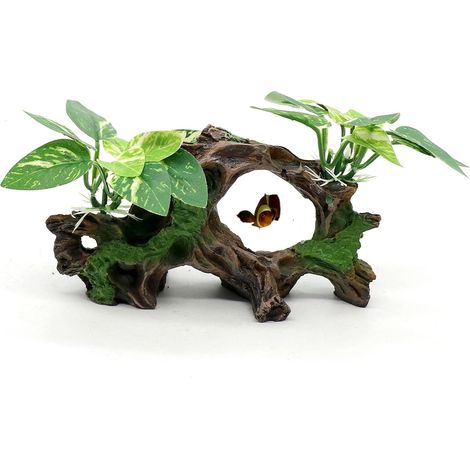
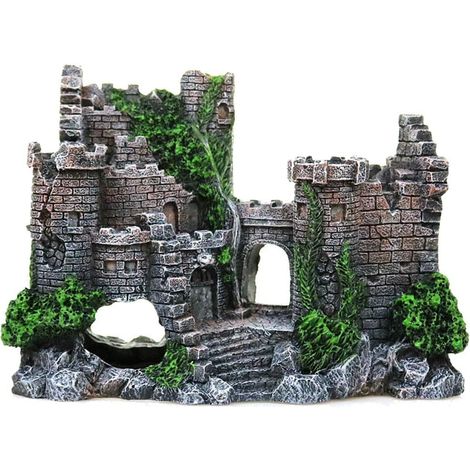
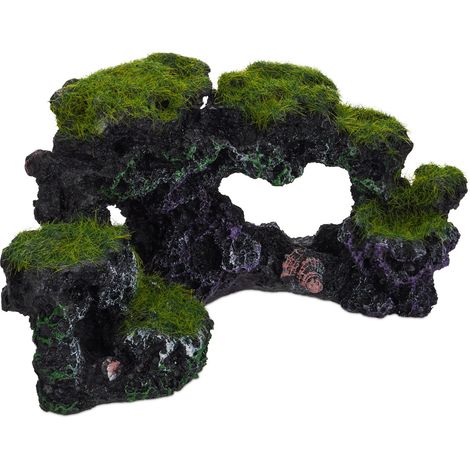
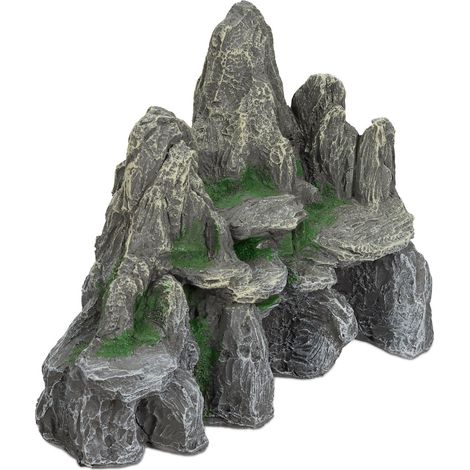
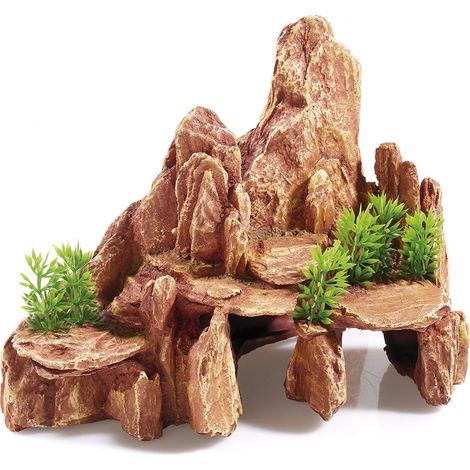
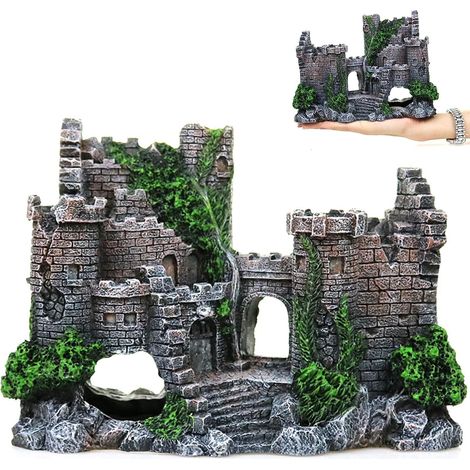
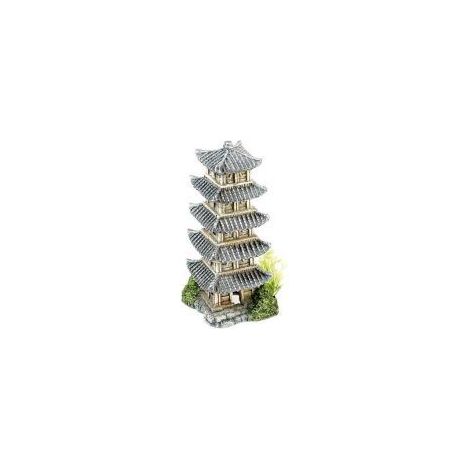
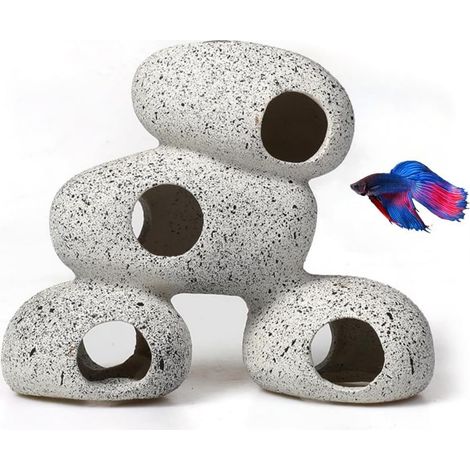
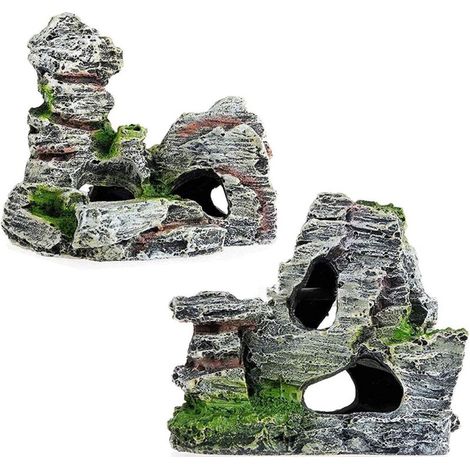
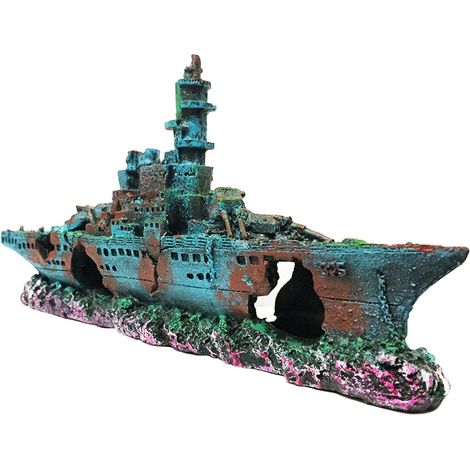
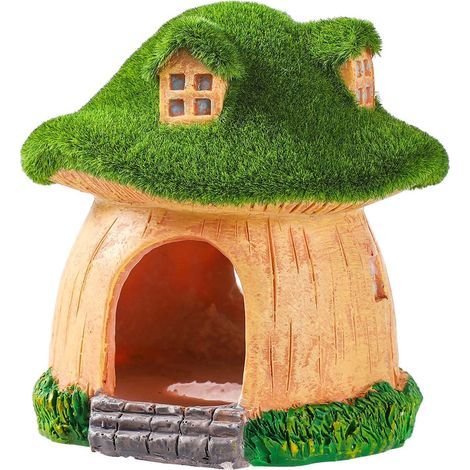
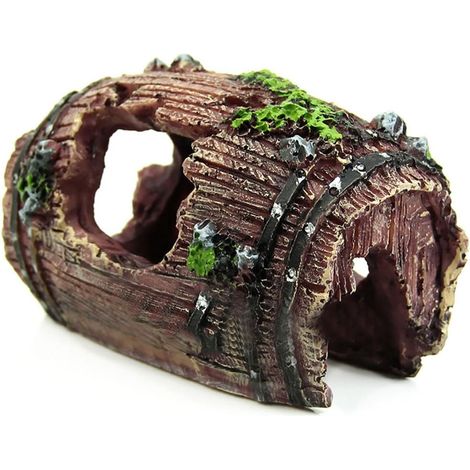
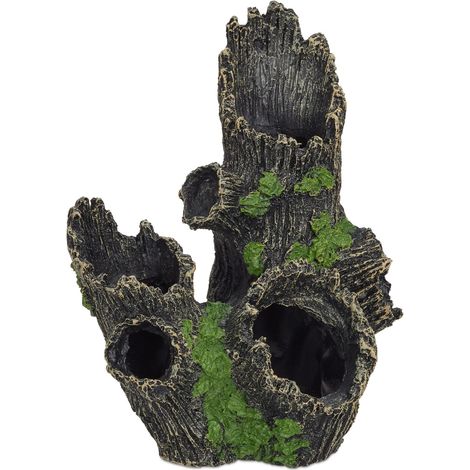
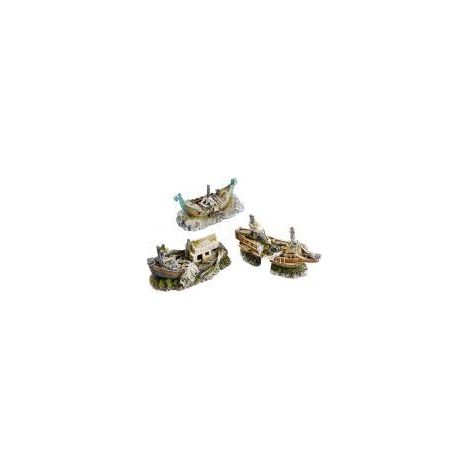
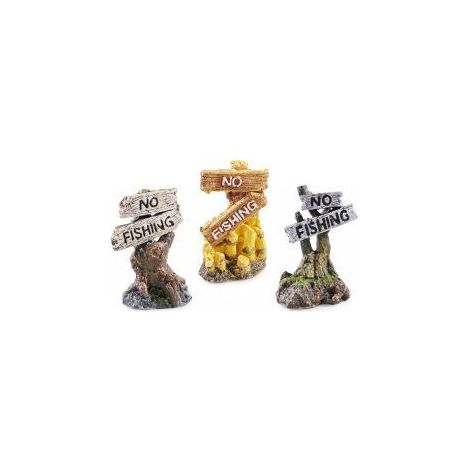
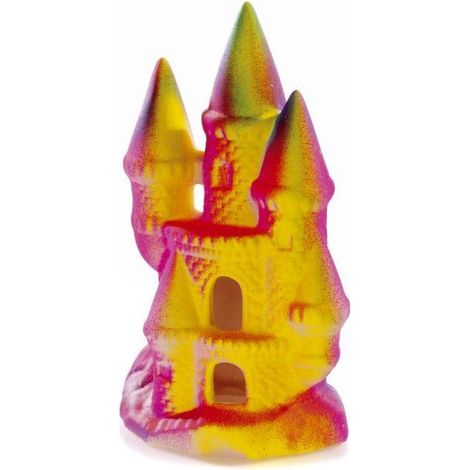
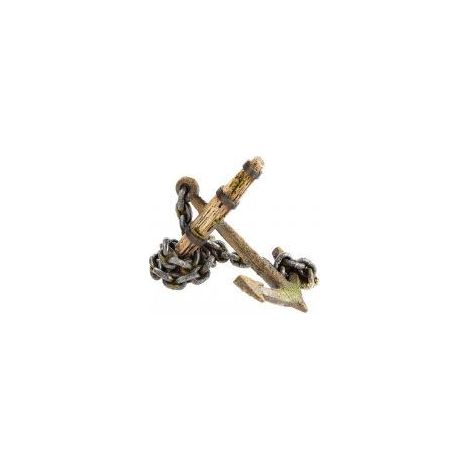
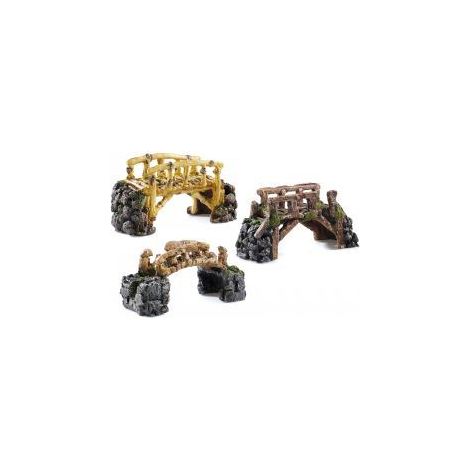
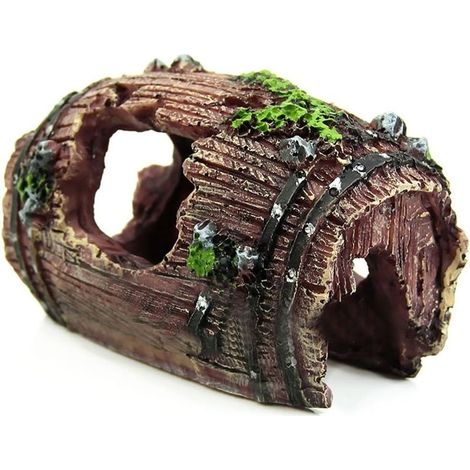
Hiding places must be arranged to allow the fish to reproduce and reduce their stress level. They come in different forms:
- small houses;
- pyramids;
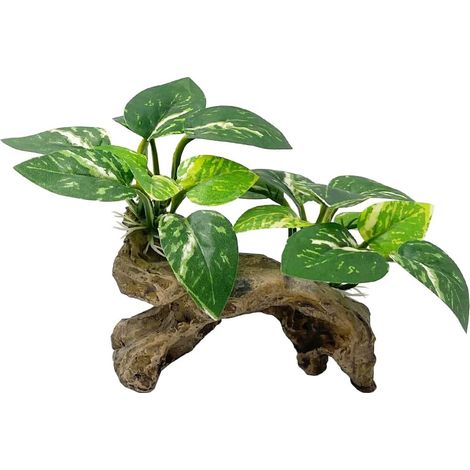
- tree roots;
- boats;
- amphorae;
- etc.
Thus, the choice of decorative elements for aquariums depends not only on the preferences of the aquarist but especially on the species of fish that will live in it. Floating plants should be favored for the habitat of large fish accustomed to uprooting vegetation.










'/%3E%3C/svg%3E)