In order to properly feed an aquarium fish, it is imperative to refer to its natural diet. It is therefore necessary to distinguish between carnivores, herbivores, and omnivores. This analysis allows their daily needs to be met and ensures their longevity.
In nature, there are three main families of fish defined by their diet. It is therefore important to respect this classification, even for species raised in an aquarium.
- Carnivores primarily feed on live prey such as crustaceans, worms, or other fish lower in the food chain. These small animals share a common characteristic: their high protein content.
- Herbivores eat, among other things, aquatic plants and algae. These plants are sufficient to meet the daily energy needs of their bodies.
- Omnivores eat a bit of everything, from animal to plant proteins, including herbs and seeds.
Several categories of fish food are available:
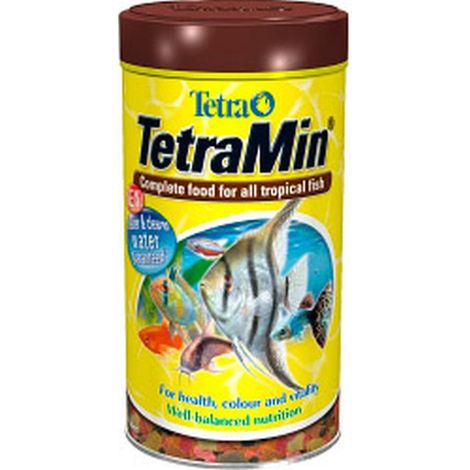
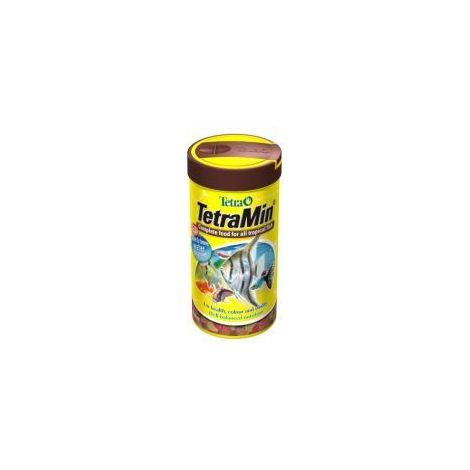
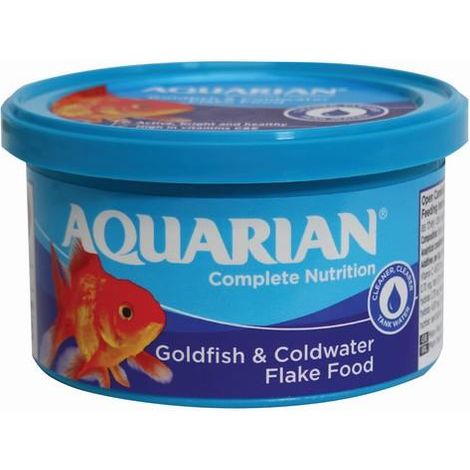
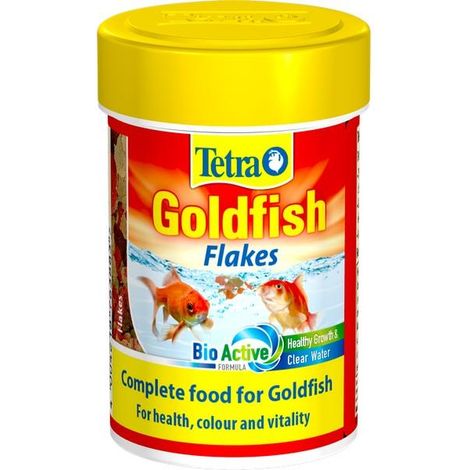
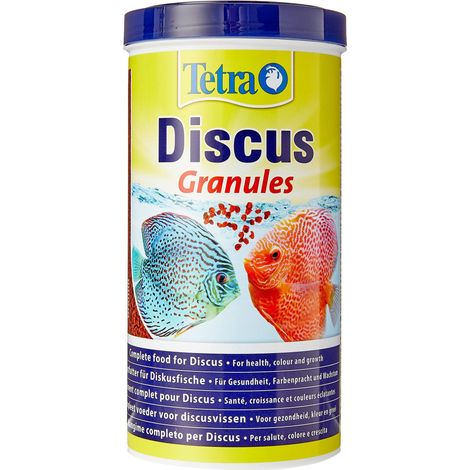
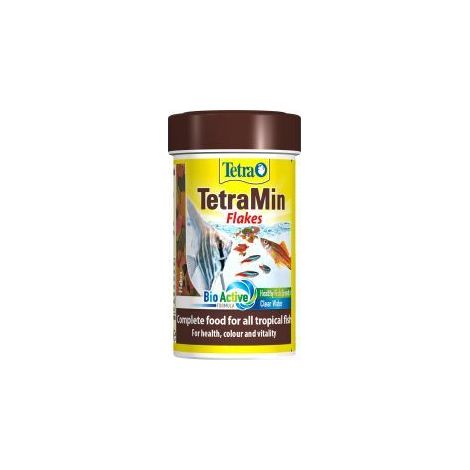
- Dry foods such as granules, flakes, or flake food are defined by their degree of buoyancy. However, they come in different sizes and grain sizes. It is therefore essential to choose the characteristics suited to the size of your fish.
- Tablets are generally dense and sink to the bottom of the tank. Their ability to degrade slowly is especially appreciated by species that live at the bottom (specifically at the bottom of the aquarium).
- Freeze-dried foods are very popular with carnivores and are also suitable for omnivores. They are mainly made from microcrustaceans such as brine shrimp, freshwater shrimp, or daphnia.
- Frozen food is often made up of fish flesh, shellfish, crustaceans, or invertebrates. The main advantage of this type of food is its shelf life. However, these conditions may alter their nutritional value.
- Live prey is especially recommended for maintaining the instinct and dynamism of carnivores, even those living in an aquarium.
This type of food stimulates the reproduction of domestic fish.
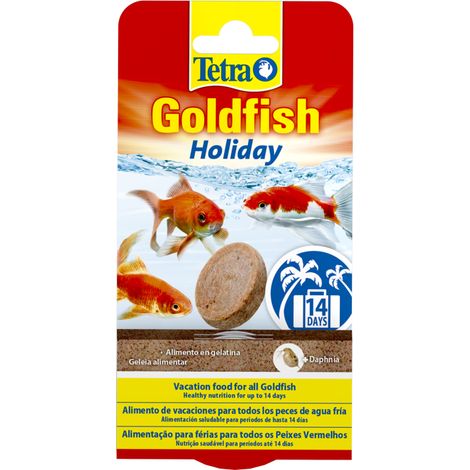
- Nutritional jellies are often packaged in sachets. They are generally a mixture of worms and crustacean flesh enriched with vitamins or other trace elements. Due to their price, it is better to use them occasionally. Moreover, in the long term, their composition prevents the fish's body from drawing the necessary nutrients for its development from natural products.
- Food for fry is designed to adapt to the specific needs of these creatures. Indeed, during the first two days of their life, they draw their energy from a dedicated natural reserve (yolk sac). After this period, they need live prey or flakes with a very fine grain size.
Before buying fish food, it is imperative to carefully analyze the label to know the proportions of the different ingredients used, particularly the content of animal or plant proteins, carbohydrates, fats, minerals, fibers, etc. The moisture content is also a parameter to closely monitor to retain the product without deteriorating its nutritional properties.




![Tetra Pond Gold Mix 4L [SNG] 560g - 49922 (1/5)](https://cdn.manomano.com/pim-media/images/medium/13d8f9a4e166af270f882f5e611a476c26ad2dd7.jpg)
![Tetrapro Energy [SNG] 55g - 50659 (1/3)](https://cdn.manomano.com/pim-media/images/medium/91139cef926aa208c450a57881b115a10d84b47c.jpg)


![Tetra Pond Gold Mix 1L [SNG] 140g - 49921 (1/4)](https://cdn.manomano.com/pim-media/images/medium/3d51dd7836467fe292009658abc360f263bee30f.jpg)




![Tetra Wafer Mix [SNG] 68g - 5093 (1/5)](https://cdn.manomano.com/pim-media/images/medium/2706e0454b03cf27cafbf8aec2e34f3ed2db2dba.jpg)


![Tetra Prima Mini Granules [SNG] 45g - 5072 (1/3)](https://cdn.manomano.com/pim-media/images/medium/7bfe6cc14cc8322c7eeaf39f634d90fdbe319152.jpg)

![Tetra Goldfish Japan [SNG] 55g - 50783 (1/3)](https://cdn.manomano.com/pim-media/images/medium/a7e28c311e9e245e428f06b06ffb2317547691a4.jpg)

![Tetrapro Colour [SNG] 20g - 50664 (1/5)](https://cdn.manomano.com/pim-media/images/medium/ce006c765d04c09b77fa5b4c33301a3ee221e0b5.jpg)
![Tetrapro Colour [SNG] 55g - 50665 (1/5)](https://cdn.manomano.com/pim-media/images/medium/b13185b519219517cbe25ee3cae7009c420e0994.jpg)


![Tetramin Tropical Crisps [SNG] 55g - 5066 (1/2)](https://cdn.manomano.com/pim-media/images/medium/8a9945c98995a595d4f029346c668b6043f7870d.jpg)






![Tetramin Tropical Flake [SNG] 200g - 5064 (1/6)](https://cdn.manomano.com/pim-media/images/medium/ef666dea2eff536815d676b52268dc7531c632fb.jpg)
'/%3E%3C/svg%3E)