Aquarium water treatment is essential to ensure the health of the fish. Tests to assess its hardness, special aquarium salt, anti-algae products, as well as plant and fish care products are available to optimize water quality.
To choose the right aquarium water treatment products, it is recommended to perform a test using a specially designed kit:
- the test should be conducted every week;
- drop products should be added to a small amount of water. Then simply compare the result based on a provided color scale;
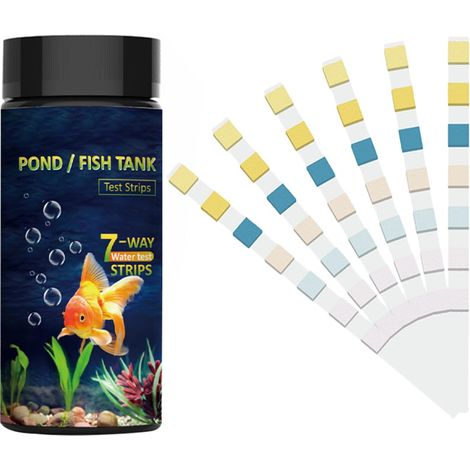
- test strips are used by dipping them in the water and comparing the result with a color scale.
For your information, the ideal pH for a freshwater aquarium varies from 5 to 8.5 depending on the species:
- a pH between 5 and 7 is recommended for Discus;
- a pH between 7.5 and 8.5 is suitable for African Cichlids.
On the other hand, the pH of a marine aquarium should be between 8.2 and 8.4. Various products are used to achieve quality water:
- special aquarium salt to regulate salinity;
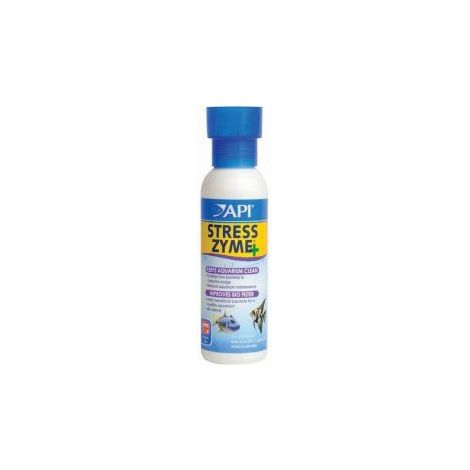
- a phosphate, nitrite, and nitrate reducer to rid the water of minerals that speed up algae formation;
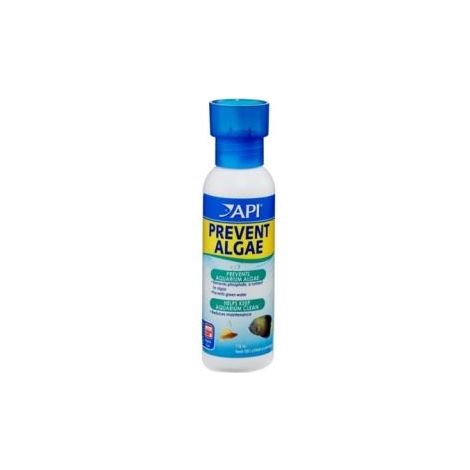
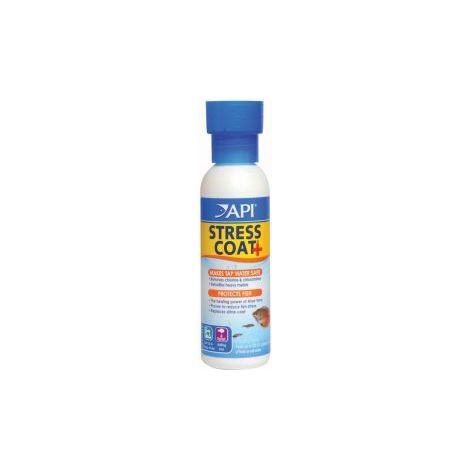
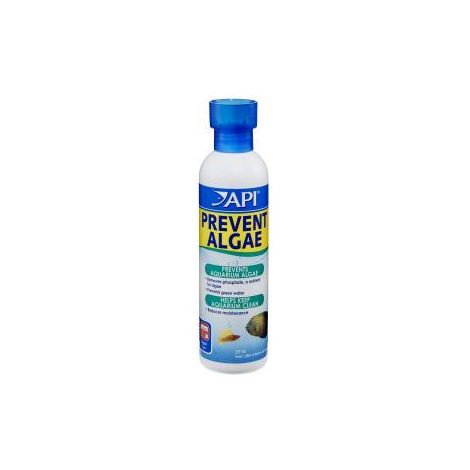
- anti-algae products to prevent their proliferation inside the tank.
Some information to know in order to limit the use of aquarium water treatment products:
- the presence of small amounts of algae is a sign of a healthy aquarium;
- their uncontrolled proliferation is harmful to plants and fish;
- green algae form as a result of excessive exposure (more than 10 hours per day) to sunlight;
- brown algae appear when the aquarium is insufficiently lit;
- changing the water (10% to 20% of the total volume) weekly helps reduce its nitrate concentration.
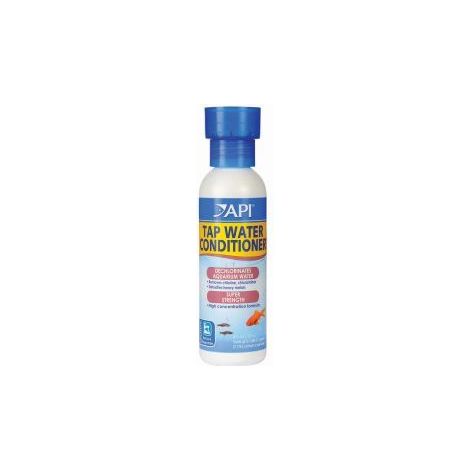
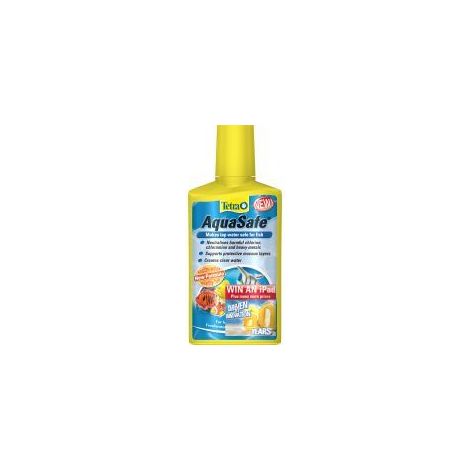
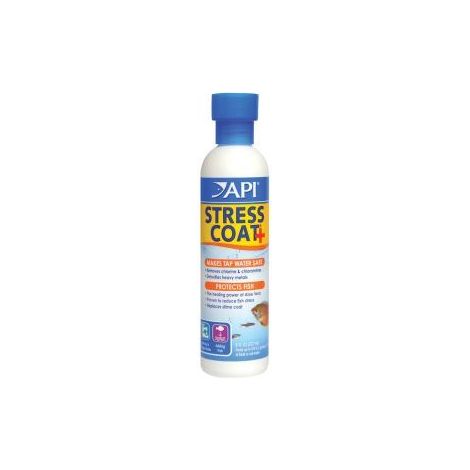
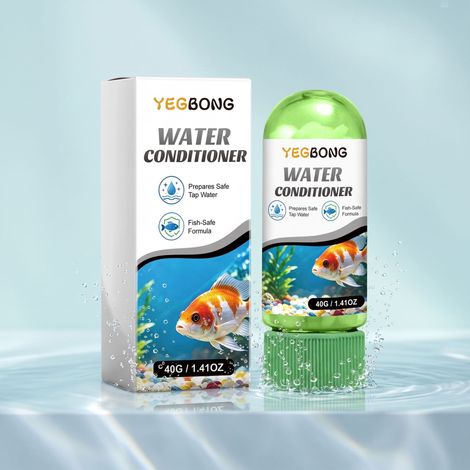
Thus, aquarium water treatment products are useful for regulating its acidity and hardness (which depends on its mineral concentration) for the well-being of the fish. However, it is essential to condition tap water by letting it sit for 24 hours before pouring it into the aquarium to remove chlorine that can harm the fish.
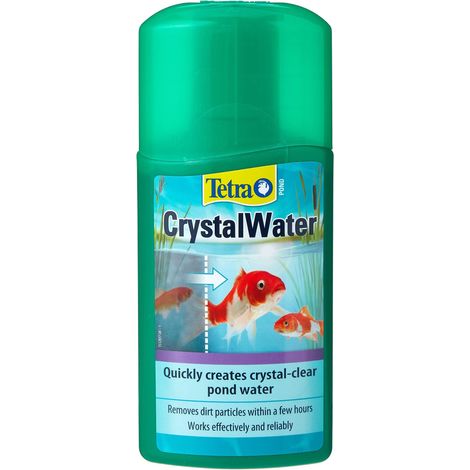
![Tetra Crystal Water [SNG] 100ml - 51346 (1/3)](https://cdn.manomano.com/pim-media/images/medium/eb810606bf370ed3401eb595e1cecbccc0296242.jpg)

![Tetra Easybalance [SNG] 100ml - 51251 (1/3)](https://cdn.manomano.com/pim-media/images/medium/dac4f2c8f14d7c09d86cfcbd9dcadbaf1fe1544e.jpg)
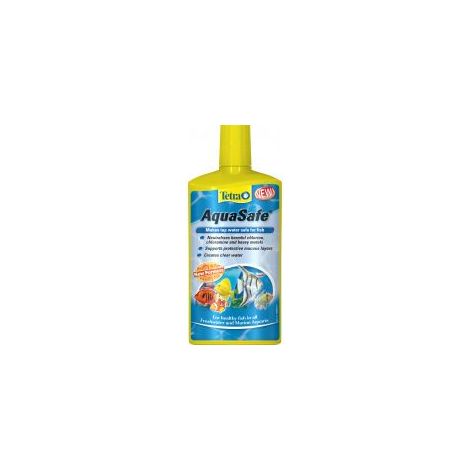
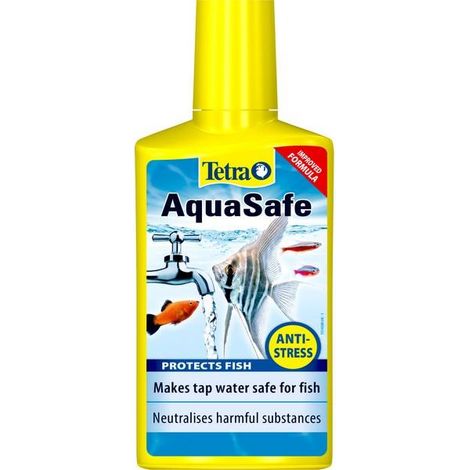
![Tetra Aquasafe [SNG] 250ml - 5133 (1/3)](https://cdn.manomano.com/pim-media/images/medium/22fcb79ab17db1a44ae0e5bc2a4a06549f776196.jpg)



![Tetra Medifin [SNG] 500ml - 6415 (1/2)](https://cdn.manomano.com/pim-media/images/medium/3f162ca67bc345a811fd121f2497bf3b5f145b79.jpg)

![Tetra Safestart [SNG] 50ml - 59842 (1/3)](https://cdn.manomano.com/pim-media/images/medium/30f2a2268cbf56c735376ff5cde0c3124f047867.jpg)
![Tetra Aquasafe [SNG] 100ml - 5121 (1/5)](https://cdn.manomano.com/pim-media/images/medium/f19e952791c2332d68b7d81d234716e78a6fe772.jpg)
![Tetrapond Aquasafe [SNG] 250ml - 6443 (1/4)](https://cdn.manomano.com/pim-media/images/medium/a4f098e99835470c9453de9227de3452335f6d86.jpg)
![Tetra Nitrate Minus Liquid [SNG] 250ml - 51141 (1/4)](https://cdn.manomano.com/pim-media/images/medium/7dcd94fd8bc313bc917efbf8a099a56d603e4085.jpg)
![Tetra Medifin [SNG] 250ml - 6404 (1/2)](https://cdn.manomano.com/pim-media/images/medium/6575bf5c3bf19b1888e4c44df480dc444290cb40.jpg)
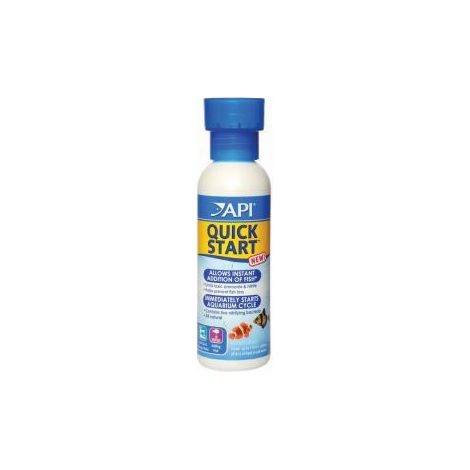
![Tetra Safestart [SNG] 100ml - 59843 (1/3)](https://cdn.manomano.com/pim-media/images/medium/06351815f9effe0a1f9c81c0fefa92a03b60ec18.jpg)
![Tetrapond Aquasafe [SNG] 500ml - 6984 (1/5)](https://cdn.manomano.com/pim-media/images/medium/d1b917fdfa6e21f03aef89db3dc548c892dc2aca.jpg)
![Tetra Aquasafe [SNG] 500ml - 5969 (1/5)](https://cdn.manomano.com/pim-media/images/medium/7eee681e8748e4ba509deedf9cd3d476564c6358.jpg)

![Tetra Pond Aquasafe [SNG] 1L - 69841 (1/5)](https://cdn.manomano.com/pim-media/images/medium/5edb1c5d9ac4d3432e47c23ec5fbcc76eacd1896.jpg)
'/%3E%3C/svg%3E)