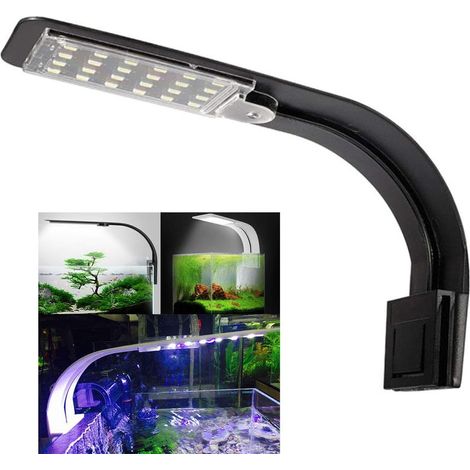
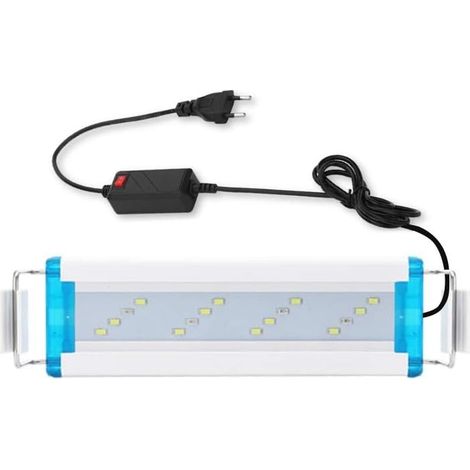
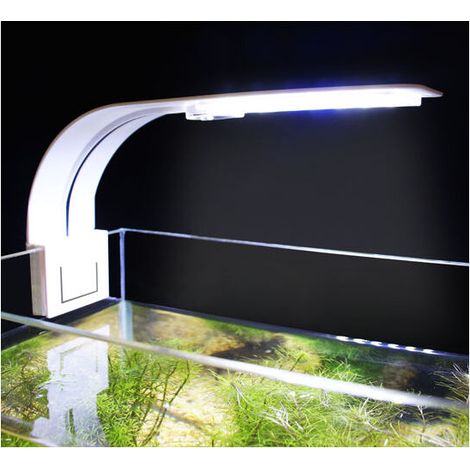
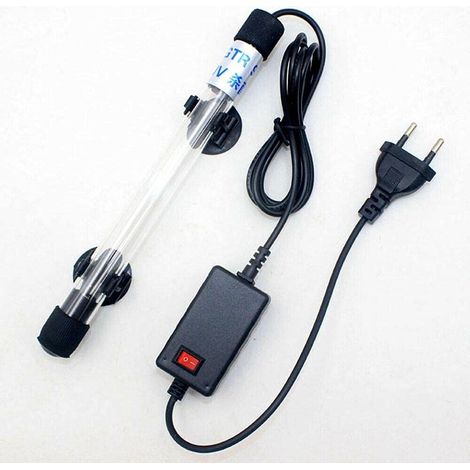
Aquarium lighting is essential for highlighting the decorative elements of the tank, but also for ensuring the well-being of the fish and the proper development of plants. Fluorescent tubes and LED lighting kits are available on the market.
Here are some important facts about aquarium lighting:
- Lighting time should be between 10 and 12 hours to faithfully reproduce the day and night cycle;
- The appearance of green algae indicates overexposure to light, while the proliferation of brown algae is a sign of insufficient lighting;
- It contributes to the photosynthetic activities of plants;
- Some systems are plugged into a power outlet while others run on batteries.
There are two types of fluorescent tubes.
- HQL tubes are valued for their lighting power, which illuminates the tank despite size restrictions. Their progressive lighting reduces stress on the fish.
- HQI lamps are suitable for both freshwater and saltwater aquariums. They are ideal for large tanks hosting live plants. They have a power range from 70 W to over 1,000 W to light a deep aquarium. Their lifespan can reach up to 15,000 hours.
Several parameters should be considered when installing fluorescent tubes:
- They are suitable for open aquariums;
- They should be hung about 30 cm from the water surface;
- Their weight varies from 3 kg (HQL) to 30 kg (HQI);
- The required power is 1 W for 2 l to 3 l of water;
- It is necessary to replace the tubes every 6 to 8 months, taking care to replace one tube at a time to avoid disturbing the balance of the aquarium;
- The starter should be replaced every year.
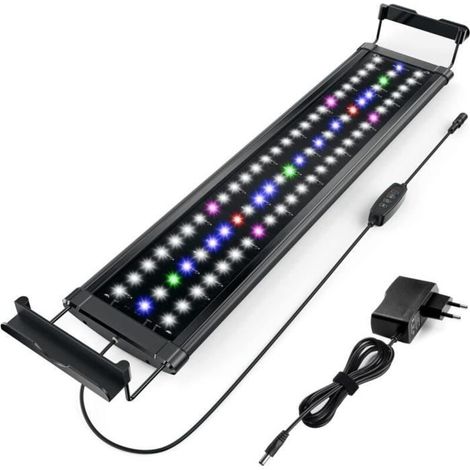
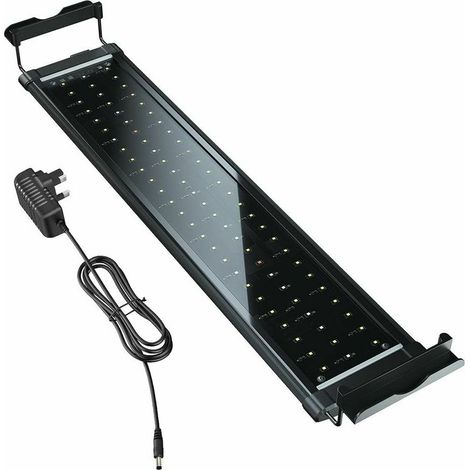
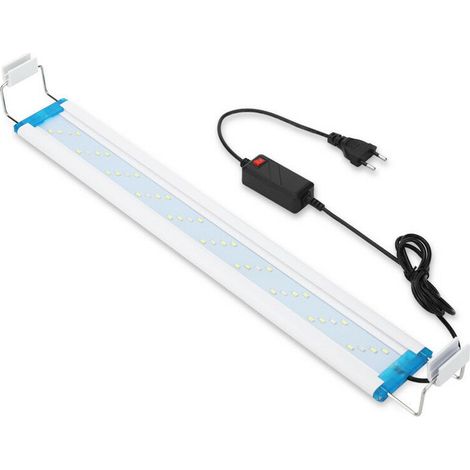
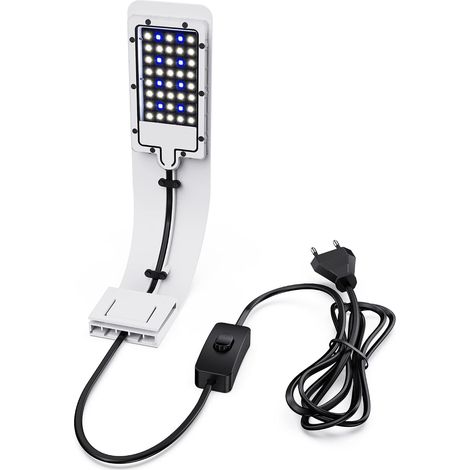
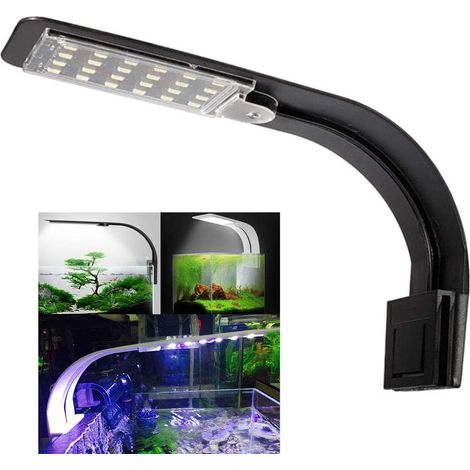
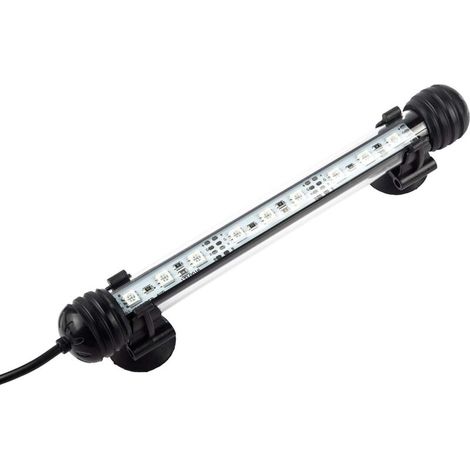
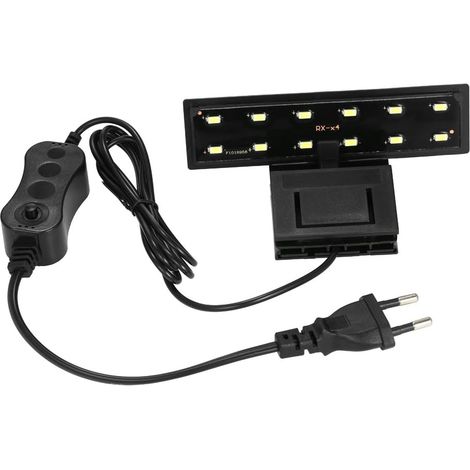
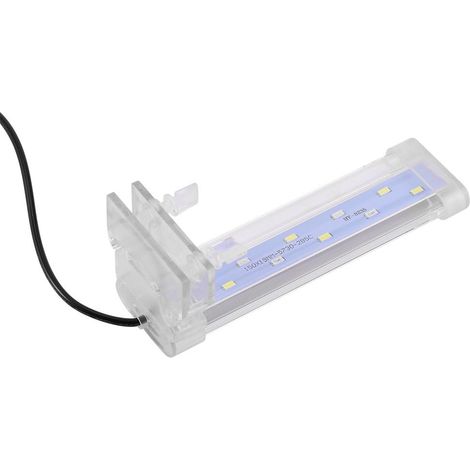
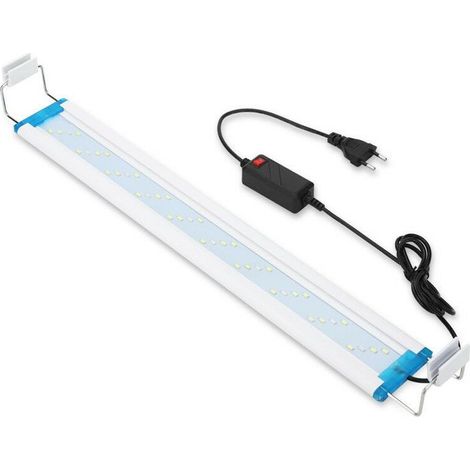
LED lamps are an alternative to fluorescent tubes. They offer several advantages worth knowing:
- Their lifespan is about 50,000 hours;
- They are appreciated for their low energy consumption;
- They do not emit heat;
- They are shock-resistant;
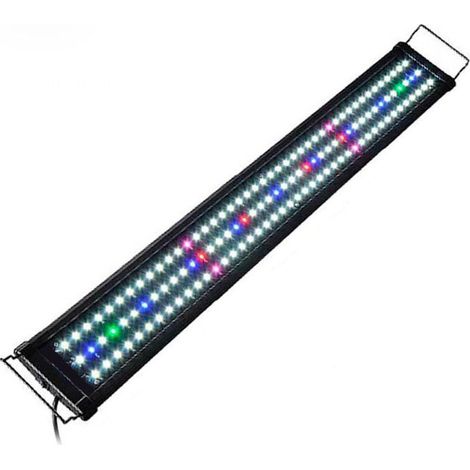
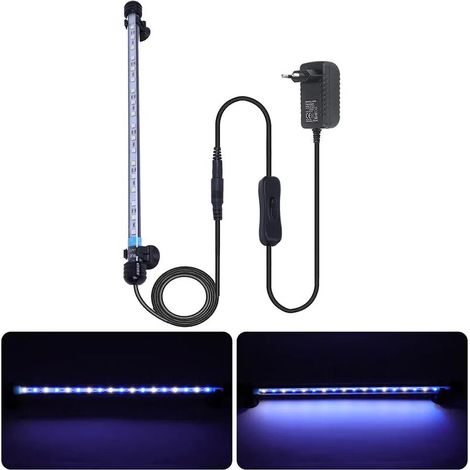
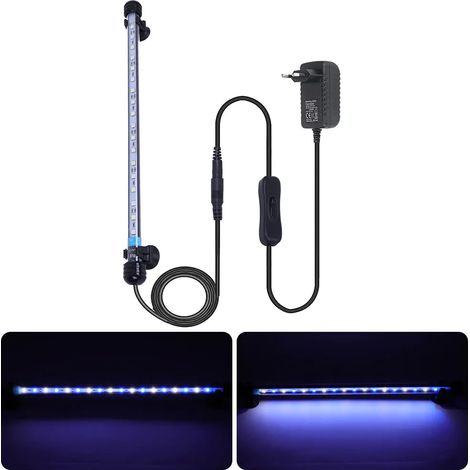
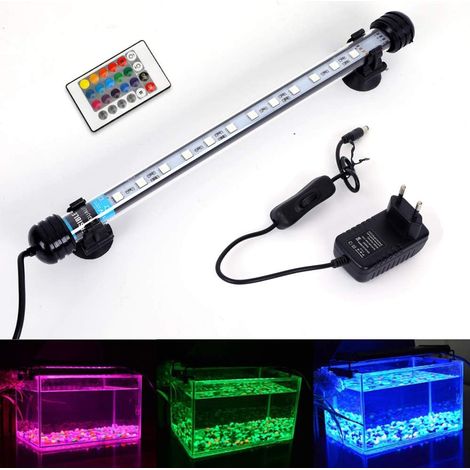
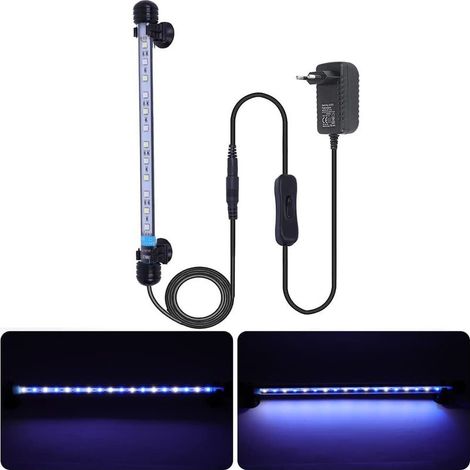
- Some kits reproduce the day and night cycle.
Thus, aquarium lighting plays a major role in the development and well-being of
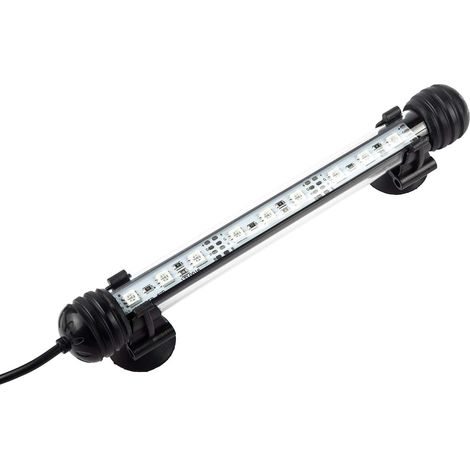
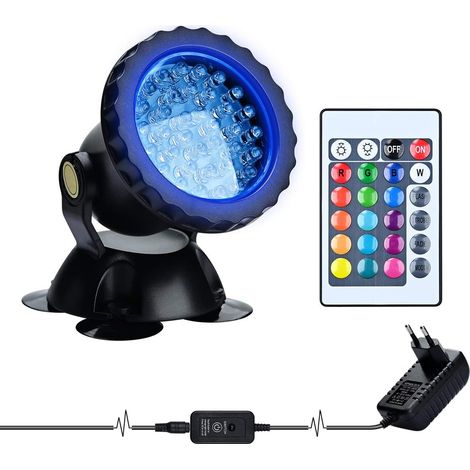
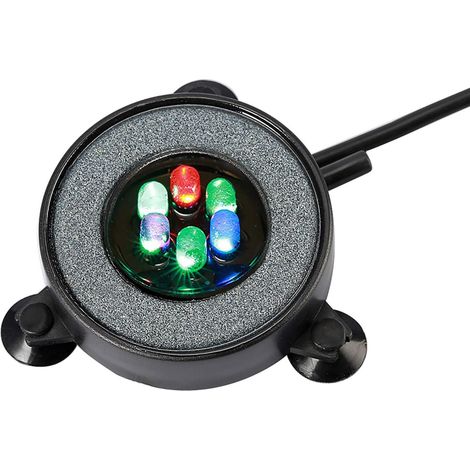
fish and plants. Some lamps with a glass reservoir can be attached
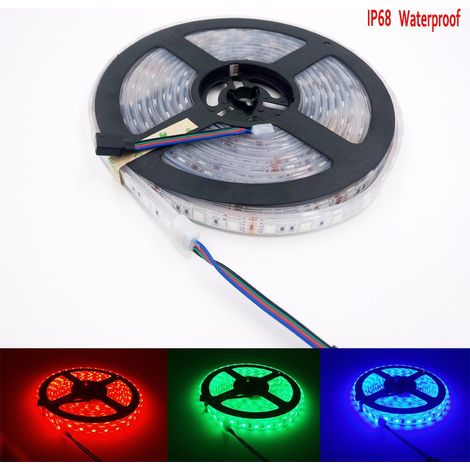
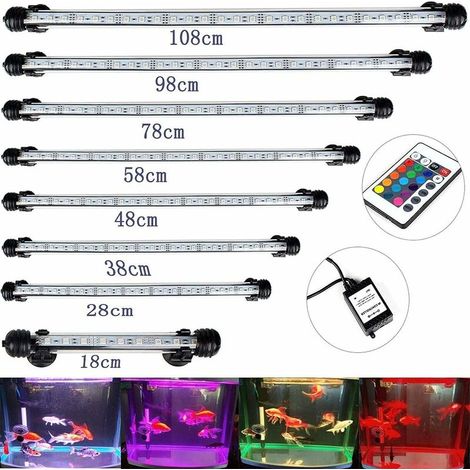
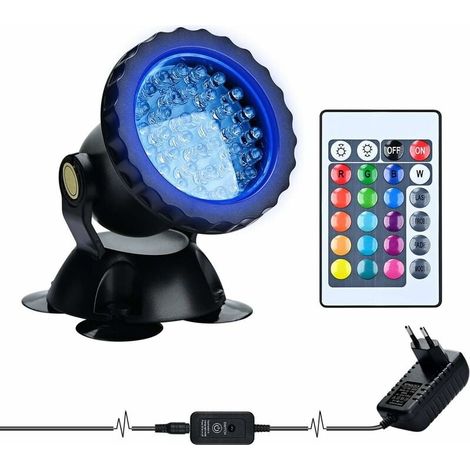
to the walls or placed at the bottom of the tank to optimize lighting and the aesthetic effect.
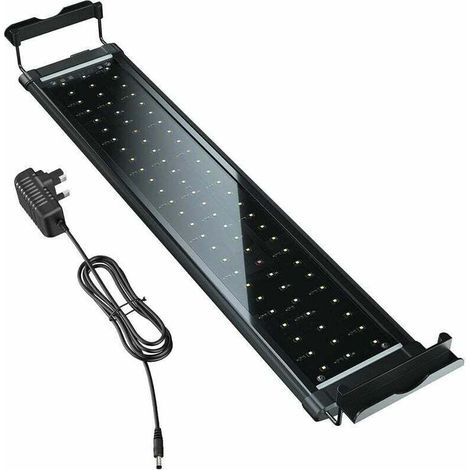
![Led Aquarium, 52W RGBW Full Spectrum Light Lighting, 6500K Fish Tank Light with Timer, 116–140cm Aluminum Length Extendable Bracket Lamp [Energy Class A+++] (1/5)](https://cdn.manomano.com/pim-media/images/medium/4cc4d9f96203a65f280b130485def31a3f338f46.jpg)







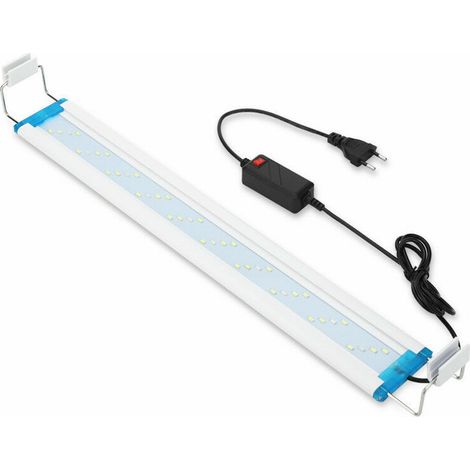
![LED Aquarium Lamp, Full Spectrum Aquarium Clip Light with Remote Control, LED Aquarium Lighting for Plants (61cm, 20W) [Energy Class A++] (1/5)](https://cdn.manomano.com/pim-media/images/medium/74e7fab81838a6578690580222ae85f0bb04e584.jpg)

 (1/5)](https://cdn.manomano.com/pim-media/images/medium/e360ed6b75c7ffc217675fe679cf330f44126058.jpg)
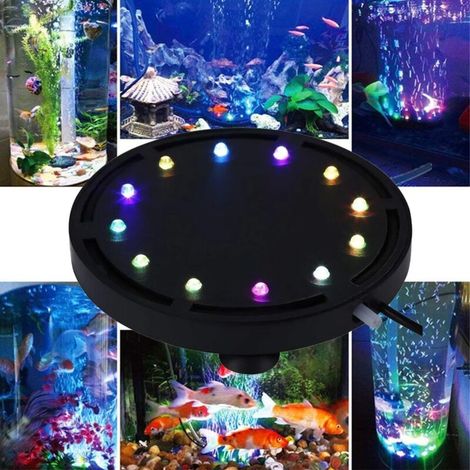
![Pool Source LED Lamp Remote Control Underwater Light Color Changing Aquarium Pond Lights (Black Shell RGB) 10 W [Energy Class A] (1/5)](https://cdn.manomano.com/pim-media/images/medium/4cdffbfcdec4315df8d9281fd407b5a4ccea3469.jpg)


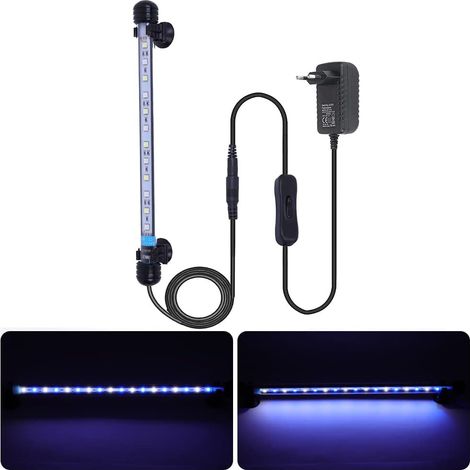
![LED Aquarium Lamp, Submersible Aquarium Lamp with Automatic On/Off Timer, Color Changing Blue and White LED Lighting for Aquariums from 20 to 40 cm [Energy Class E].. (1/4)](https://cdn.manomano.com/pim-media/images/medium/829c6e9890564718e32dc30f9cf4b152f858e6b8.jpg)



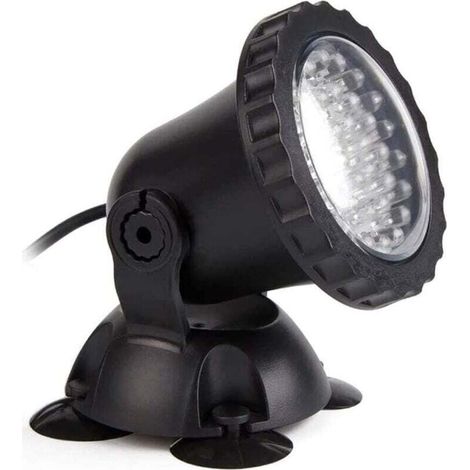
![RGB Aquarium Projector, Underwater Submersible Fish Light, IP68 Waterproof LED Adjustable Angle Light with Remote Control for Garden Pond Pool Fountain (1 Pack) [Energy Class A] (1/2)](https://cdn.manomano.com/pim-media/images/medium/ce10239d5d3a59ab0e07db6db1038420af0a1b2a.jpg)


![3W LED Aquarium Light for Tanks - Adjustable COB Projector with 3 Lighting Modes, Perfect for Nano Aquariums and Small Aquariums [Energy Class G] (1/5)](https://cdn.manomano.com/pim-media/images/medium/c148645b47d10cba82b7889b1b3d32c6753259aa.jpg)
'/%3E%3C/svg%3E)