A sealing product for walls and facades makes a wall waterproof. It is important to eliminate moisture because it poses a danger, not only to the structure but also to the health of occupants.
It is essential to use a wall water repellent to waterproof a structure because moisture:
- causes bad musty smells in addition to promoting bacterial activities;
- leads to respiratory diseases such as asthma or pneumonia;
- deteriorates the quality of materials, causing some to lose their mechanical strength.
Before purchasing a facade waterproofing agent, it is appropriate to identify the source of moisture. To this end, simply tape the outline of a piece of aluminum foil on the wall and observe the result after 48 hours.
- if its outer side shows drops of water, it means that the moisture comes from condensation, that is, there is too much water vapor produced inside the dwelling. This can happen if it is poorly ventilated or when the ground has not been treated against capillary rise, especially for an old house. A waterproofing agent for walls and facades cannot solve this problem; the room needs to be ventilated and consider using an air vent or a mechanical ventilation system (VMC);
- if water drops appear instead on the inner side of the aluminum foil, it means that the moisture comes from capillary rise in the wall. The ground water is absorbed by the facade and spreads inside the walls.
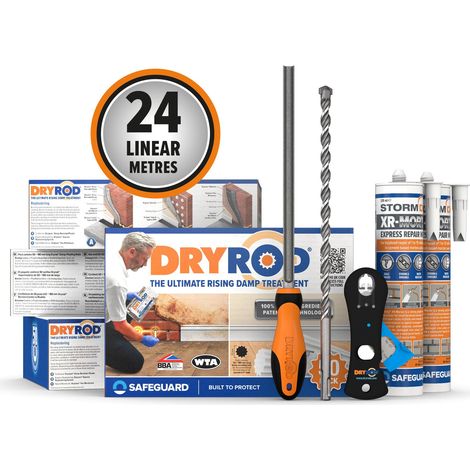
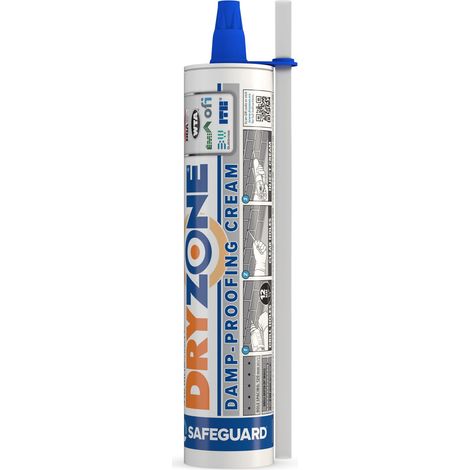
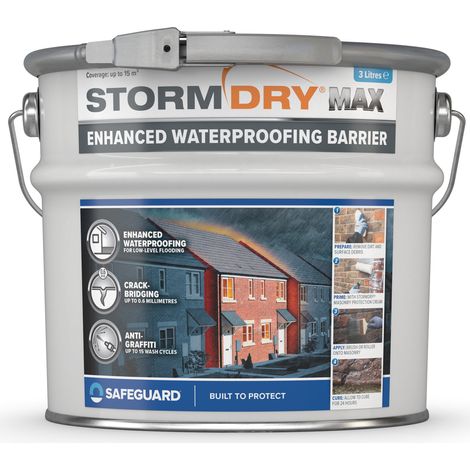
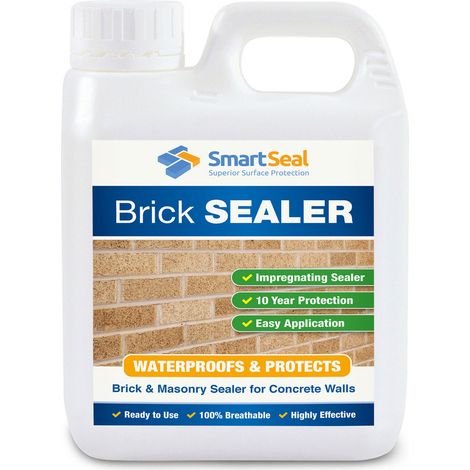
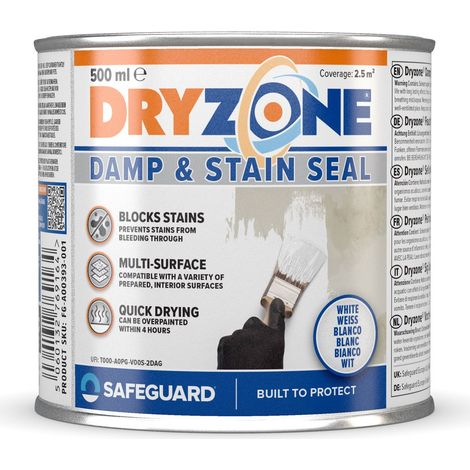
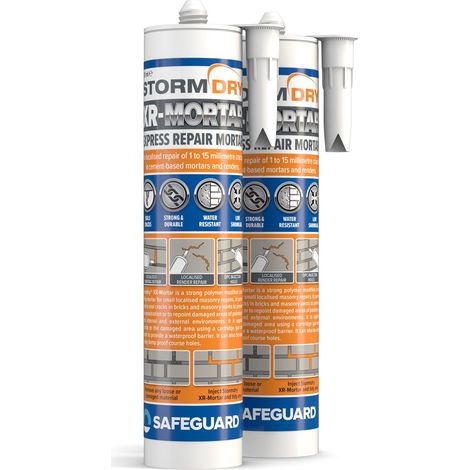
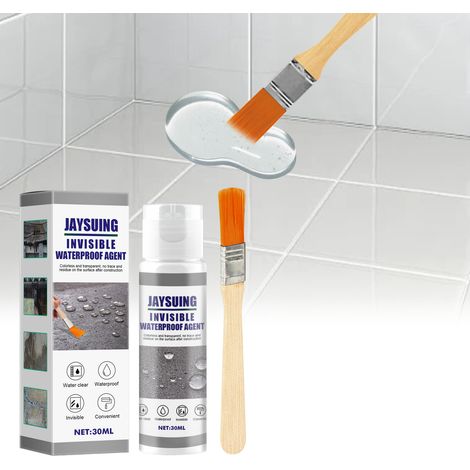
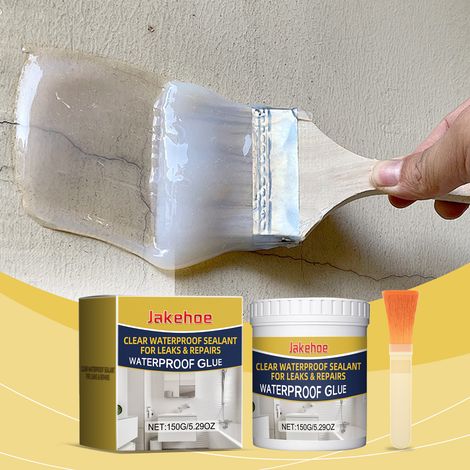
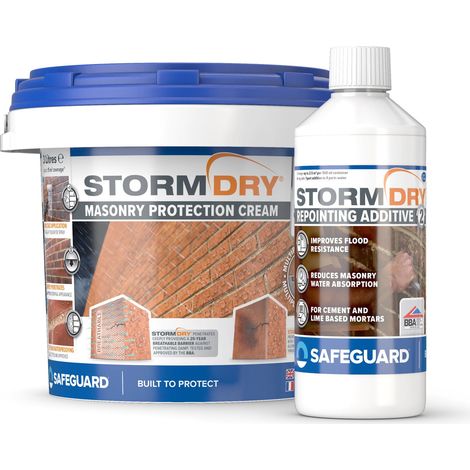
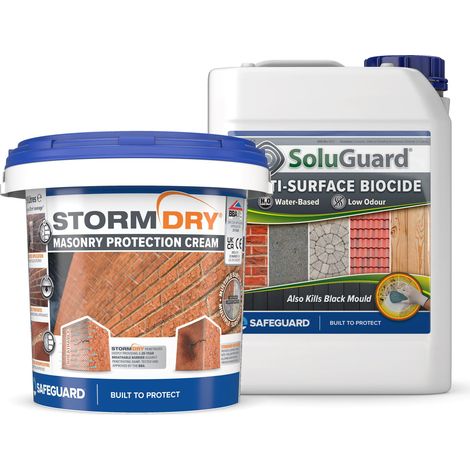
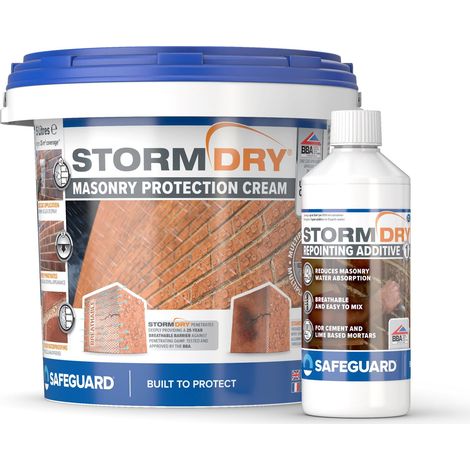
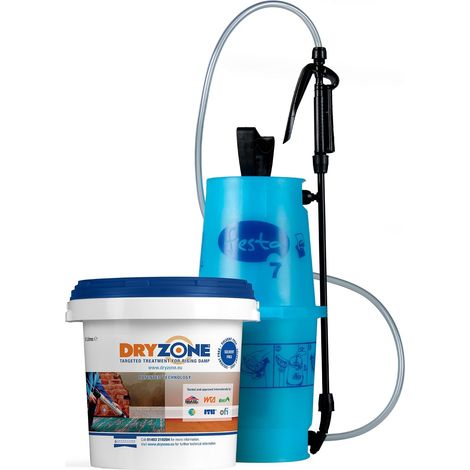
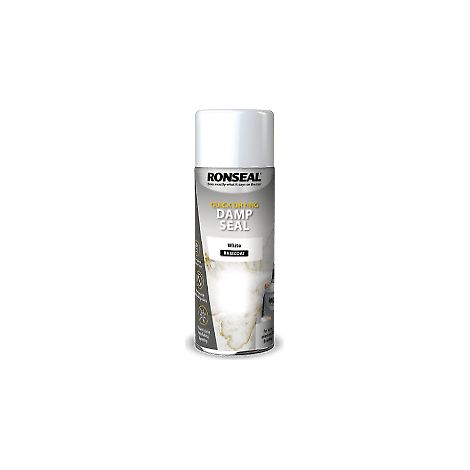
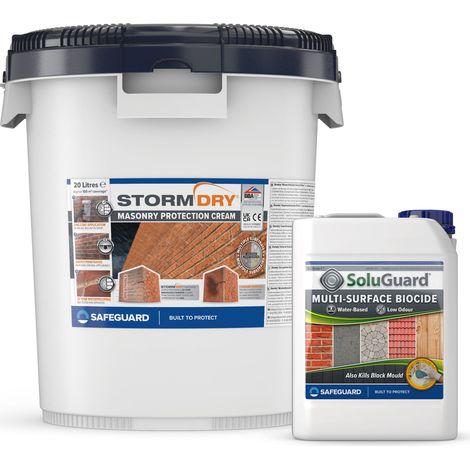
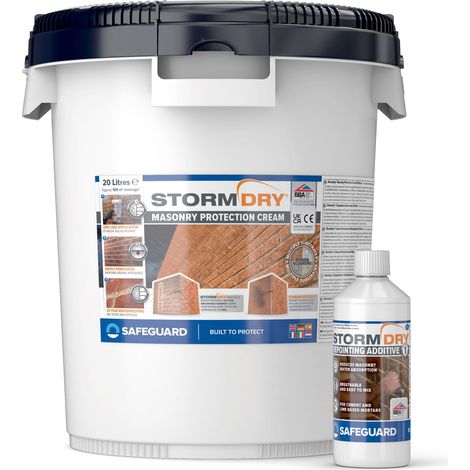
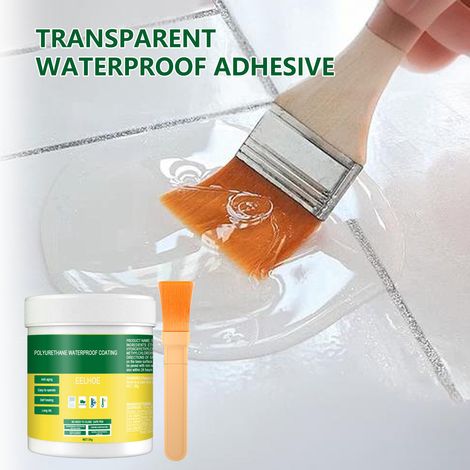
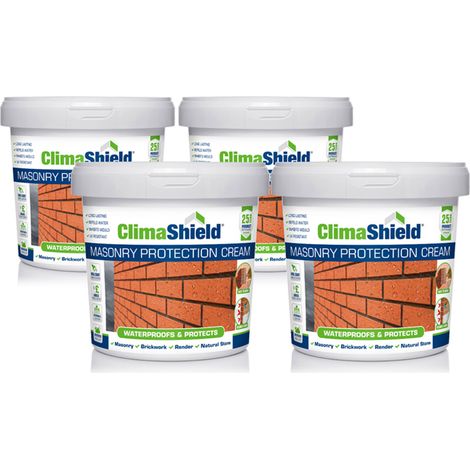
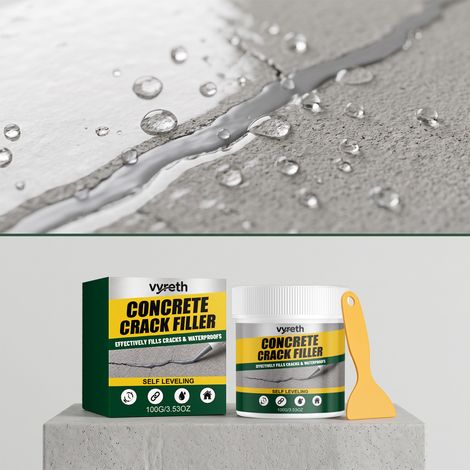
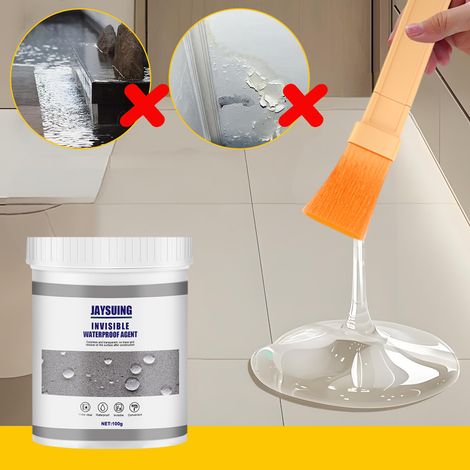
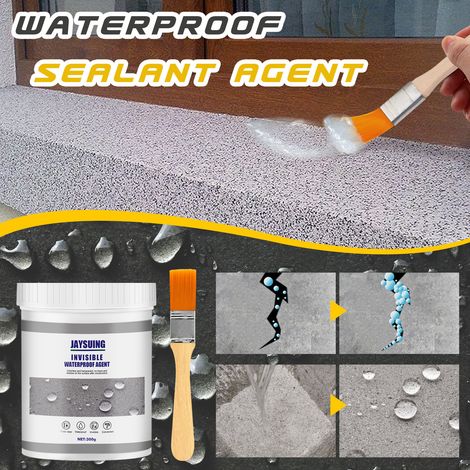
To stop its progression, the application of a walls and facades protection type waterproofing is essential. This can be:
- a resin-based solution;
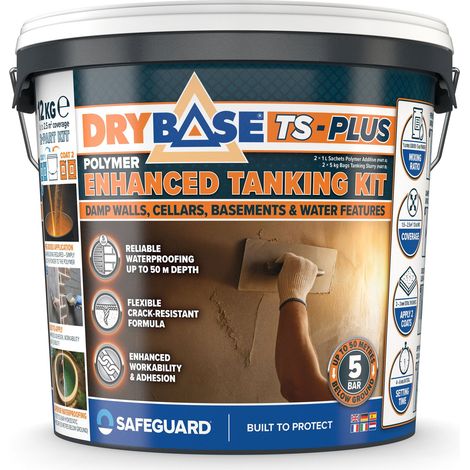
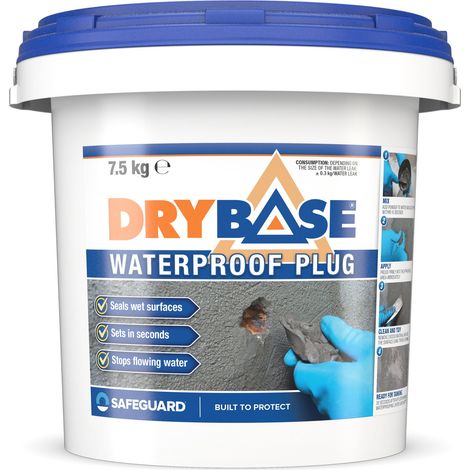
- a waterproof plaster;
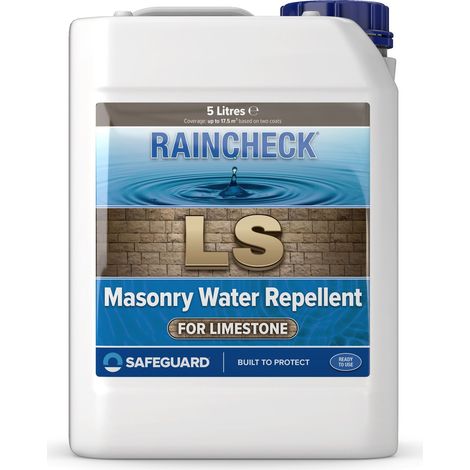
- a mineralizing water-repellent product that renovates, consolidates, and waterproofs;
- a bituminous product;
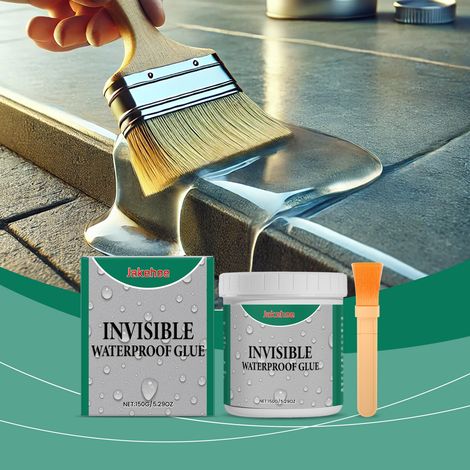
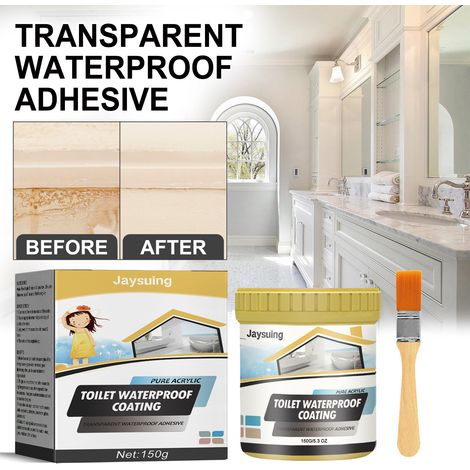
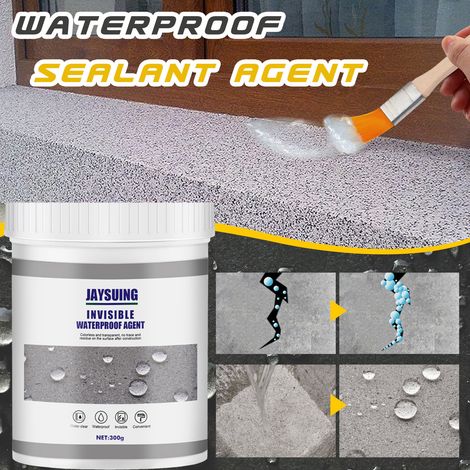
- a waterproofing type of liquid waterproofing coating ready to use based on waterborne acrylic resins.




'/%3E%3C/svg%3E)